Explore raccoon control services
 01
Raccoon Removal
Humane removal with one-way doors or traps, with kits found and reunited with their mother. Rules on relocation vary by state.
Explore this service 02
Attic Cleanup & Restoration
Careful latrine cleanup, soiled insulation removal and repairs once the raccoons are gone.
Explore this service 03
Exclusion & Proofing
Chimney caps, heavy vent guards, soffit repair and metal sealing so they can't get back in.
Explore this service 04
Urgent Help
A raccoon inside the living space, or one that seems sick, needs prompt attention. Keep people and pets away.
Explore this serviceWhy do raccoons keep coming back?
Raccoons are strong enough to rip open roof vents and soffits, and mother raccoons look for attics and chimneys to raise their kits in spring. Once inside, they flatten insulation, damage ducts and wiring, and leave latrines that need careful cleanup.
The right fix follows a careful order: check for kits, remove the family humanely, seal every opening with heavy metal mesh, cap the chimney, and then clean up. Never handle a raccoon yourself, and never seal a hole while one might still be inside.
Below you'll find when kits are born, how to tell raccoons from squirrels and rats, how to keep them out of trash and what removal usually costs.
What kind of raccoon problem are you seeing?
Heavy noises at night
Slow, heavy walking overhead at night usually means a raccoon. Squirrels are busy at dawn and dusk instead.
Torn vents and soffits
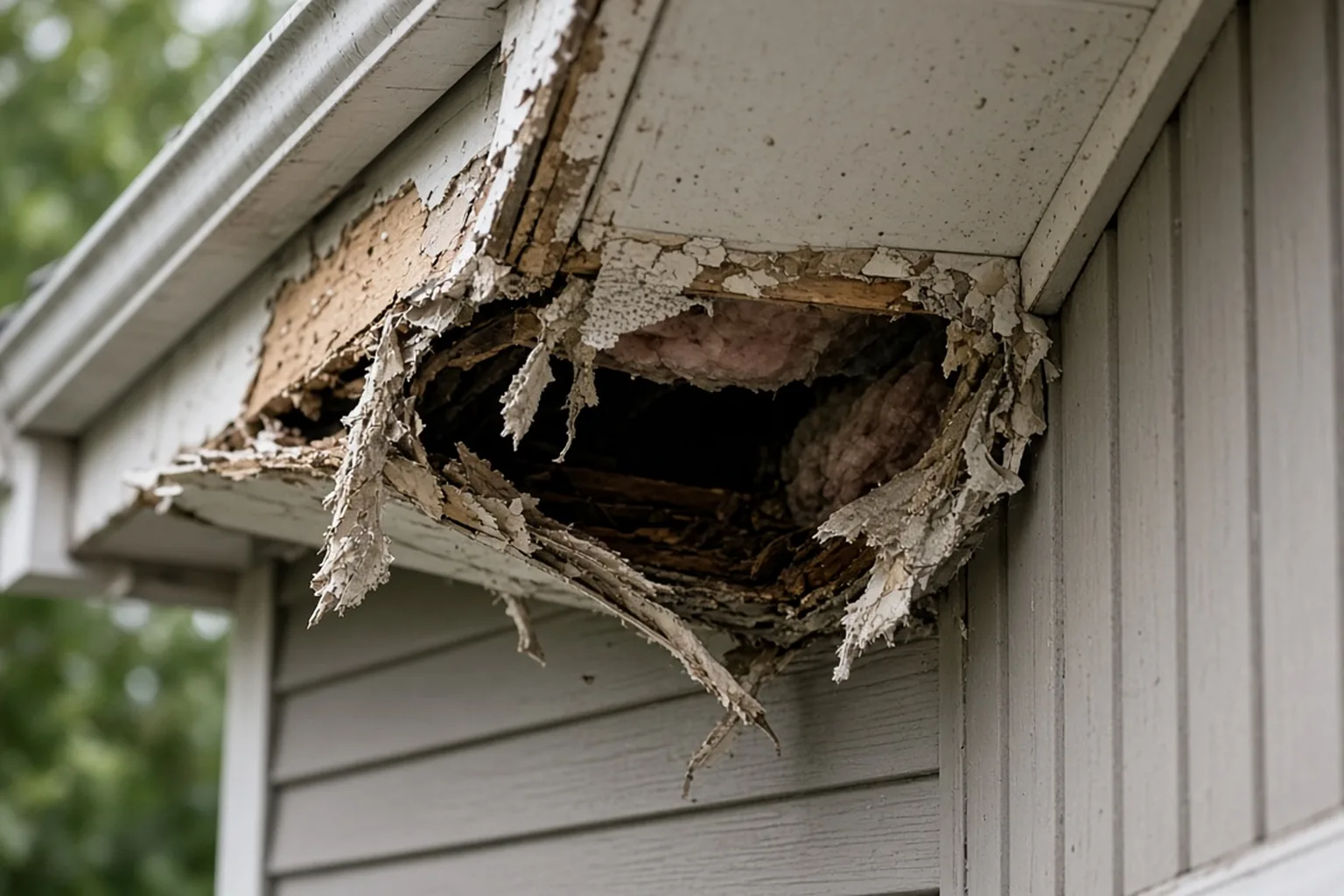
Ripped roof vents, pulled-back shingles or broken soffit corners are classic raccoon entry points.
Noises from the chimney
Chittering or scratching from the fireplace often means a mother with kits on the smoke shelf.
What should you ask before booking?
Ask what the visit includes, how much it costs, and whether a follow-up is included. It’s also helpful to know what you’ll need to do before treatment and when you can use the area again.
Have children or pets at home? Mention them when discussing treatment. For a business, let the company know your opening hours so you can talk about a convenient time to visit.
How raccoon activity changes through the year
- Spring: Kit season. Mothers den in attics and chimneys; don't seal while kits are inside.
- Summer: Families roam at night. Secure trash and pet food.
- Fall: Raccoons fatten up for winter. Cap chimneys and seal gaps.
- Winter: They den up in cold snaps but don't hibernate.
Keep exploring your options
- Raccoon Trapping & Removal — Live trapping using humane methods. Raccoons are relocated safely and legally per state wildlife regulations.
- Attic Cleanup & Restoration — Raccoon latrines, urine-soaked insulation, and damage repair. Full attic sanitization and insulation replacement.
- Exclusion & Proofing — Chimney caps, vent guards, soffit repair, and entry point sealing — raccoon-proof your home permanently.
- Urgent Raccoon Response — A raccoon inside the living space needs prompt help. Keep people and pets away and call.
- Contact and quote request — ask a question or request a quote.